
Expert guide
Equipment & Consumables for data centers in India: what procurement teams need to know
The long tail of the bill of materials
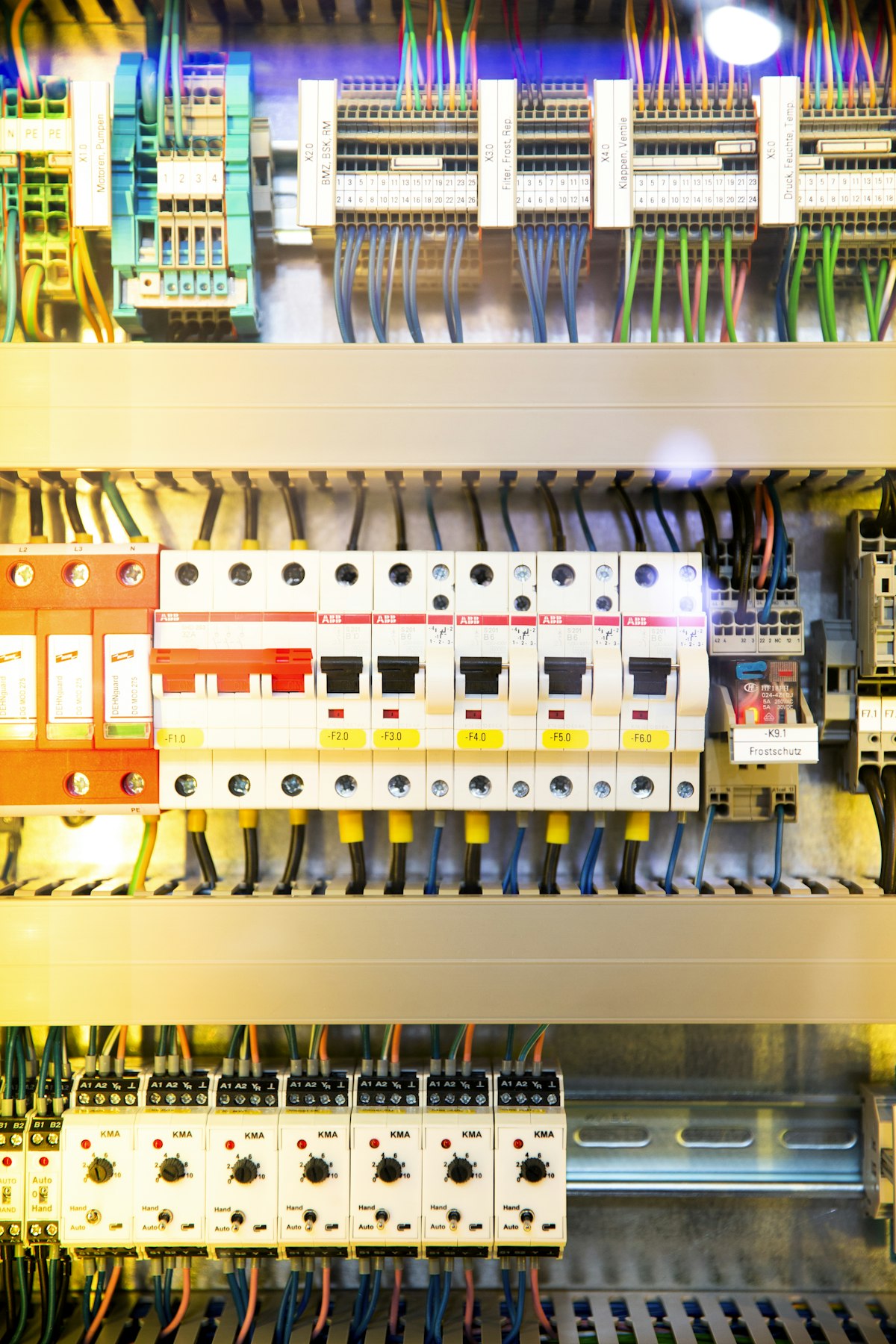
Beneath the headline equipment, a data center consumes a steady stream of batteries, cables, busbar trunking, switchboards, sensors, filters, tools and safety gear. Individually small, these items are where delivery schedules slip and operating budgets leak, because they are bought reactively from whoever has stock and without the test certificates an auditor or an insurer will later ask for.
India manufactures most of this category to IS and IEC standards: cables, busbar systems, LT panels, VRLA batteries and racks are made locally, while lithium cells, specialist sensors and some test equipment are imported. Authorised distributors with stock in Mumbai, Chennai, Hyderabad, Bengaluru and Delhi serve the major hubs within a day. The procurement opportunity is consolidation: rate contracts, standard specifications and a stockist agreement turn a reactive cost into a managed one.
Compliance is not optional
The Bureau of Indian Standards' compulsory registration scheme covers cables, batteries and many electronic components; IEC 61439 governs low-voltage switchgear assemblies and type testing; IEC 62619 covers lithium battery safety; IS 1554, IS 7098 and IS 8623 cover cables and busbars. Fire-survival cables for critical circuits have their own standards. Specify the standard, require a test certificate per batch and keep the certificates with the asset record, because grey-market cables and uncertified lithium batteries are the two items most likely to fail an insurer's inspection.
Specification and standardisation
Write an approved-makes and specification list aligned with the facility's design standards and apply it across halls and phases. Mixed makes across halls mean spares that do not interchange and technicians who learn each hall separately. For lithium batteries, insist on BMS integration with the DCIM and on the OEM's authorised channel so the warranty is real. For switchboards, specify type-tested assemblies with the test report, not a drawing that resembles one.
Rate contracts and stock
Forecast demand from the project bills of quantities and operational consumption rates, tender manufacturers and distributors for annual rate contracts with stock commitments and delivery SLAs, and index the pricing to copper and lithium so neither side carries the commodity risk alone. The contract should name the stock held within a day of the site, the batch traceability required and the consolidated ordering process. Small orders are a regular part of operations and should flow through the same contract.
Lead times
HT and LT cables run 2 to 6 weeks, with fire-survival types longer; busbar trunking 6 to 10 weeks for custom lengths and tap-offs; type-tested LT panels and switchboards 8 to 14 weeks; VRLA batteries 2 to 4 weeks and lithium 8 to 16 depending on cell supply; sensors, filters and tools ex-stock to two weeks with a stockist agreement in place.
How we procure consumables
We write the specification standard, build the demand forecast, tender rate contracts with manufacturers and authorised distributors in our network, and set up consolidated ordering with batch traceability. For project-stage bulk orders we run the same comparison with delivery dates tied to the construction programme.
A stockist within a day's delivery beats a cheaper factory price with a ten-week lead time, every time the schedule is at stake.
What we cover
Scope of the service line
- VRLA, lithium-ion and NiCd batteries
- XLPE HT, LT and fire-survival cables
- Busbar trunking and busways
- LT panels, MCCs and switchboards
- Temperature, humidity and leak sensors; filters
- Tools, test equipment and safety gear
How procurement works
From brief to contract
Specification standard
Approved makes and specifications for every consumable category, aligned with the facility's design standards.
Demand forecast
Project bills of quantities and operational consumption rates by category.
Rate contracts
Manufacturers and distributors are tendered for annual rate contracts with stock commitments and delivery SLAs.
Ordering
Consolidated orders against the rate contract, with call-offs for operational consumption.
Quality and acceptance
Test certificates, batch traceability and inspection on delivery.
Advisor note
Stock beats lead time
For consumables and common spares, a stockist within a day's delivery often beats a cheaper factory price with a ten-week lead time.
What to evaluate
Criteria that separate a safe award from an expensive one
| Criterion | What good looks like | Why it matters |
|---|---|---|
| Compliance | IS or IEC marked, BIS registration where mandated, test certificates per batch | Safety and insurer requirements |
| Stock | Distributor holds stock within a day of the site | Lead time is the hidden cost |
| Authorisation | Authorised channel for the OEM, with warranty passed through | Grey-market risk |
| Rate contract terms | Fixed pricing with index-linked adjustment for copper and lithium | Budget stability |
| Traceability | Serial and batch records for cables, batteries and switchboards | Incident investigation and recalls |
| Consolidation | One supplier across several categories where possible | Lower administration |
Benchmarks
Indicative lead times and cost ranges
| Item | Typical range | Note |
|---|---|---|
| HT and LT cables | 2 to 6 weeks | Fire-survival cables longer |
| Busbar trunking | 6 to 10 weeks | Custom lengths and tap-offs |
| LT panels and switchboards | 8 to 14 weeks | Type-tested assemblies |
| VRLA batteries | 2 to 4 weeks; lithium 8 to 16 weeks | Cell supply dependent |
| Sensors, filters, tools | Ex-stock to 2 weeks | With a stockist agreement |
Indicative figures from MyDCNeeds engagements and supplier quotations, 2025 to 2026. Project-specific numbers are confirmed during scoping.
Common mistakes
What we see go wrong
- 01Buying cables and batteries on price without batch test certificates.
- 02Treating consumables as too small to tender, then paying list price for years.
- 03Mixing makes across halls so spares do not interchange.
- 04Accepting grey-market lithium batteries without BMS integration or warranty.
Standards and regulation
The framework this work sits inside
- BIS compulsory registration for cables, batteries and electronic components
- IS 1554, IS 7098 (cables); IS 8623 (busbars and assemblies); IS 1651 and IS 15549 (batteries)
- IEC 61439 low-voltage switchgear assemblies
- IEC 62619 lithium battery safety
Glossary
Terms used in this guide
- Rate contract
- A fixed-price agreement for a category of goods over a period, called off as needed.
- Busbar trunking
- A prefabricated enclosed conductor system used instead of cables for high-current distribution.
- Type-tested assembly
- A switchboard whose design has been tested to IEC 61439 by a certified laboratory.
- BIS CRS
- The Bureau of Indian Standards compulsory registration scheme for specified products.
Questions
Frequently asked
Do you handle small orders?+–
Yes. Consumables and spares are a regular part of the work, and a rate contract with a stockist makes small orders as disciplined as large ones.
Can you consolidate suppliers across categories?+–
Yes. A single consolidated order across cables, busbars, switchboards, batteries and consumables with managed delivery is a common engagement.
What compliance should we insist on?+–
BIS registration where mandated, IS or IEC marking, IEC 61439 type-test reports for switchboards, IEC 62619 for lithium batteries and a test certificate per batch for cables, all retained with the asset record.
What are typical lead times?+–
Cables 2 to 6 weeks, busbar trunking 6 to 10 weeks, type-tested switchboards 8 to 14 weeks, VRLA batteries 2 to 4 weeks, lithium batteries 8 to 16 weeks, and stocked consumables ex-stock to two weeks.
How do rate contracts handle copper and lithium prices?+–
Index-linked pricing with an agreed reference and adjustment interval, so neither side carries the commodity risk alone and the contract survives a price swing.
Why not simply buy on price each time?+–
Reactive buying costs schedule, loses batch traceability and mixes makes across halls. A rate contract with stock commitments and standard specifications is cheaper over a year and far cheaper during an incident.