Expert guide
Operations & Maintenance for data centers in India: what procurement teams need to know
Where reputations are made
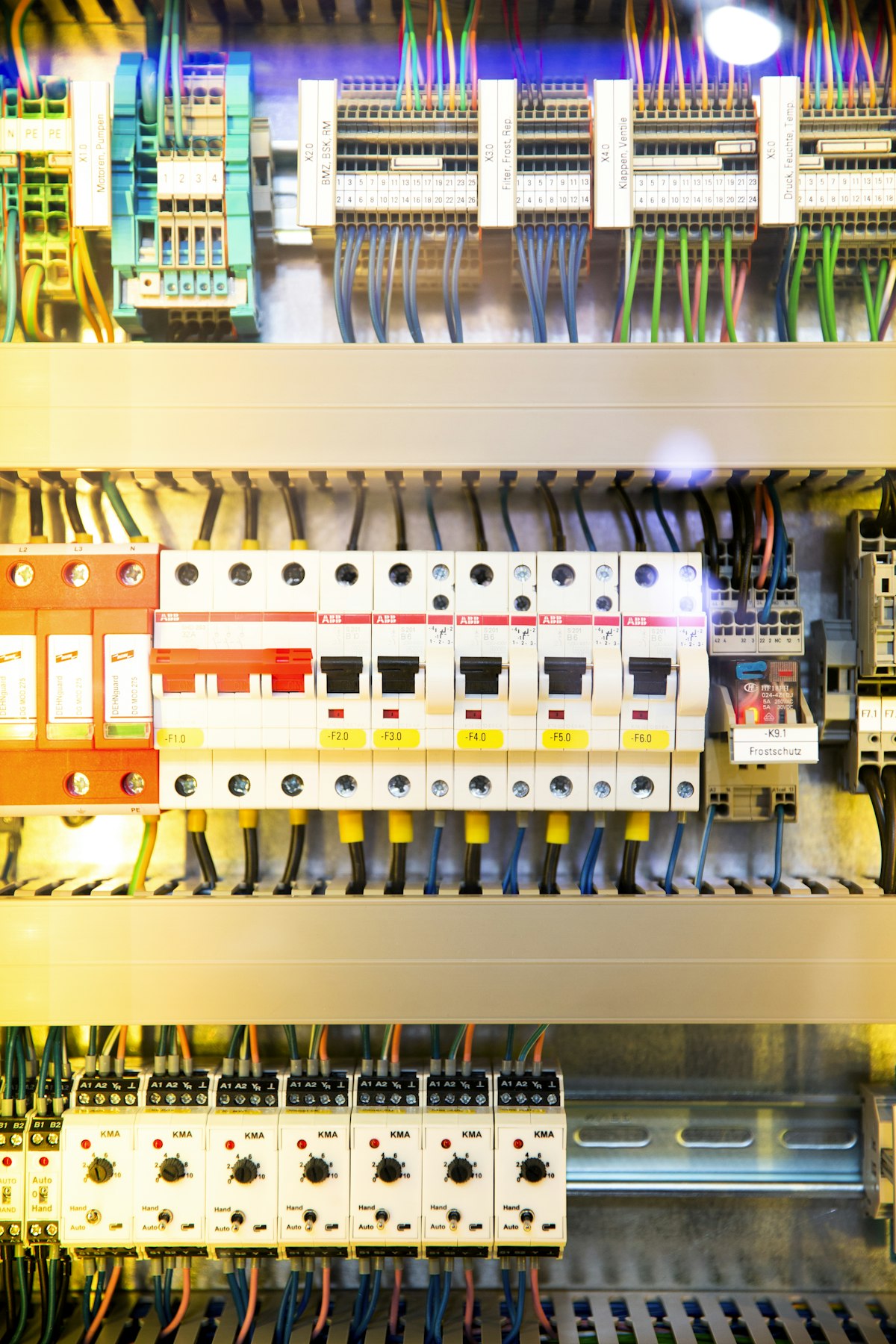
The reliability a Tier III design promises is delivered only in operations: every UPS, chiller, generator and switchboard maintained to its OEM schedule, every change executed to a method statement, every incident rehearsed before it happens. Operating cost over 15 years exceeds construction cost, and most of it is energy and maintenance, which makes the operations contract the longest-lived commercial decision an owner makes.
The Indian market offers three routes: integrated facility management from large FM companies, equipment AMCs from OEMs and their partners, and specialist critical-facility operators that take full responsibility for uptime under SLA. The choice is about accountability. Fragmented contracts produce finger-pointing during incidents; a single accountable party with the equipment AMCs beneath it produces one SLA and one phone call.
The asset register and the maintenance plan
Everything starts from a complete asset register: every maintainable item, its OEM maintenance schedule, criticality, spares list and warranty status. The maintenance calendar is built from it, and so is the AMC tender, because a contractor cannot price what it cannot see. Build the register during commissioning from the as-built documentation and keep it in the DCIM or CMMS, not in a spreadsheet that leaves with the facility manager.
Procedures and drills
A critical facility runs on its MOP, SOP and EOP library: method statements for every piece of maintenance on live systems, standard procedures for routine operations, and emergency procedures for every failure mode the design is supposed to survive. The library is validated during Level 5 commissioning and then drilled, quarterly at least, until the response is automatic. Uptime's Management and Operations Stamp of Approval is the recognised external check on this discipline and is increasingly asked for by customers.
Energy and predictive maintenance
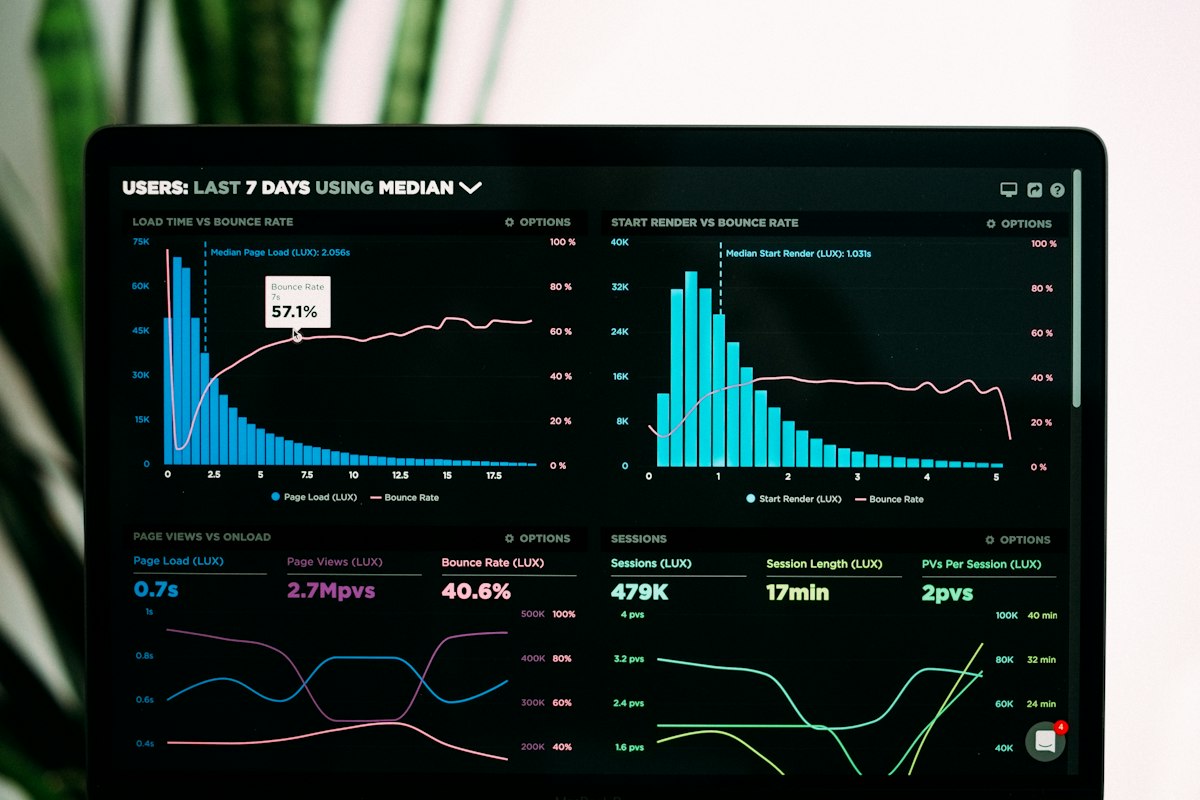
Energy is the other half of operating cost. PUE improvement programmes (containment, raised set points, chiller plant optimisation, AI-driven controls) pay back in two to three years at Indian tariffs, and PUE should be reported monthly so drift is caught early. Predictive maintenance on rotating equipment, using vibration, thermal and electrical signatures, has moved from pilot to standard practice and reduces both failures and unnecessary interventions on critical plant.
Contract structure and benchmarks
Integrated FM for a 10 MW facility runs indicatively INR 3 to 5 crore a year excluding equipment AMCs and energy; comprehensive AMCs run 1.5 to 3 percent of equipment value a year. The contract should carry a single SLA with availability, response and repair-time commitments and penalties, a monthly KPI report with incident and near-miss reporting, critical spares held on site or within four hours, and a transition plan with a shadow period of six to ten weeks on either side. Renegotiate annually against the KPI record rather than rolling over.
How we procure operations
We define the operating model and the SLA, build or audit the asset register, tender integrated FM, AMCs or a critical-facility operator from our network against it, and run the transition. For operating sites we start with a condition and documentation audit, because the incoming contractor should accept the facility in a known state.
How many parties will be in the room when something fails is the real question behind every operations contract.
What we cover
Scope of the service line
- Integrated facility management
- Equipment AMCs: UPS, chillers, generators, switchgear
- 24x7 operations with MOP, SOP and EOP authoring
- DCIM and BMS support
- Predictive maintenance and energy management
- OEM and compatible spare parts
How procurement works
From brief to contract
Operating model
Integrated FM with equipment AMCs beneath it, or a critical-facility operator under one SLA; scope, KPIs and penalties are defined.
Asset register and maintenance plan
Every asset, its OEM schedule, spares list and criticality is recorded; the maintenance calendar is built from it.
Tender
FM, AMC and specialist contracts are tendered with the asset register, SLA and reporting requirements.
Transition
Shadow period, procedure handover, DCIM and BMS access, and a documented acceptance of the site's condition.
Continuous improvement
Monthly reporting, energy programme, incident reviews and annual SLA renegotiation.
Advisor note
One contract, one SLA
Fragmented AMCs produce finger-pointing during incidents. An integrated FM contract with equipment AMCs underneath gives a single accountable party and a single SLA.
What to evaluate
Criteria that separate a safe award from an expensive one
| Criterion | What good looks like | Why it matters |
|---|---|---|
| Single accountability | One party owns uptime under SLA | No finger-pointing during incidents |
| Credentials | Uptime M&O or equivalent, OEM-trained technicians | Capability proof |
| Procedures | Complete MOP, SOP and EOP library maintained and drilled | Rehearsed response |
| Spares | Critical spares held on site or within 4 hours | Mean time to repair |
| Energy management | PUE reporting, optimisation programme with targets | Operating cost control |
| Reporting | Monthly KPI dashboard with incident and near-miss reporting | Transparency for customers and insurers |
Benchmarks
Indicative lead times and cost ranges
| Item | Typical range | Note |
|---|---|---|
| Integrated FM, 10 MW facility | INR 3 to 5 crore per year | Excluding equipment AMCs and energy |
| Equipment AMCs | 1.5 to 3 percent of equipment value per year | Comprehensive versus non-comprehensive |
| Transition period | 6 to 10 weeks | Shadow and handover |
| PUE programme payback | 2 to 3 years | At typical Indian tariffs |
Indicative figures from MyDCNeeds engagements and supplier quotations, 2025 to 2026. Project-specific numbers are confirmed during scoping.
Common mistakes
What we see go wrong
- 01Awarding FM to the lowest bidder and then holding a dozen separate AMCs together by email.
- 02Operating without a drilled EOP library until the first grid failure.
- 03Letting critical spares lapse because the AMC excludes them.
- 04Reporting PUE annually and discovering drift too late to fix it.
Standards and regulation
The framework this work sits inside
- Uptime Institute Management and Operations Stamp of Approval and Tier Standard: Operational Sustainability
- ISO 55001 asset management
- ISO 50001 energy management
- ISO 27001 and SOC 2 operational controls
Glossary
Terms used in this guide
- AMC
- Annual maintenance contract for a piece of equipment, comprehensive (parts included) or non-comprehensive.
- EOP
- Emergency operating procedure: the scripted response to a specific failure.
- Predictive maintenance
- Using vibration, thermal and electrical data to schedule maintenance before failure.
- PUE
- Power usage effectiveness: total facility energy divided by IT energy.
Questions
Frequently asked
What does data center facility management cost in India?+–
Integrated FM for a 10 MW facility runs indicatively INR 3 to 5 crore a year, excluding equipment AMCs and energy. Comprehensive equipment AMCs run 1.5 to 3 percent of equipment value a year.
Single operator or separate AMCs?+–
A single accountable party under one SLA with the equipment AMCs beneath it avoids finger-pointing during incidents. Separate AMCs managed in-house work only with a strong facility team.
Can you take over an operating site?+–
Yes. Transitions are planned around a condition and documentation audit and a shadow period of six to ten weeks, so the incoming team accepts the facility in a known state and learns it before taking responsibility.
What should an operations SLA include?+–
Availability, response and repair-time commitments with penalties, monthly KPI and incident reporting, critical spares on site or within four hours, drilled emergency procedures and a defined transition plan.
How quickly does a PUE programme pay back?+–
Containment, raised set points and chiller plant optimisation typically pay back in two to three years at Indian tariffs. PUE should be reported monthly so drift is caught early.
Do you cover spare parts?+–
Yes, through OEM and compatible spares partners with stock in the major hubs, specified in the contract as critical spares on site or within four hours.